
How Long Does Plaster Take to Dry Before Painting?
TopRatedPlasterers.co.uk · 30 September 2026
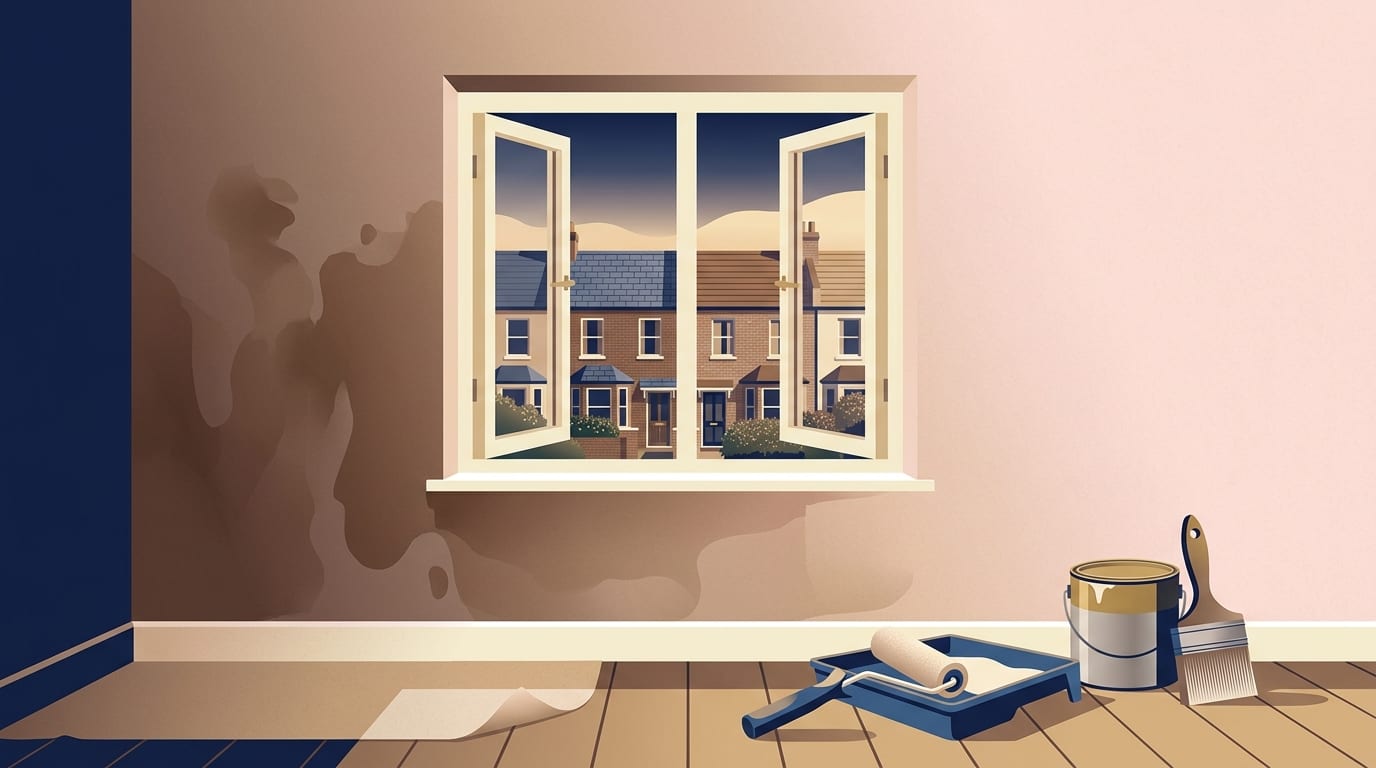
A skim coat of plaster typically takes around a week to dry fully before you can paint it. Thicker backing coats, cold or poorly ventilated rooms and traditional lime plaster can take up to a month. You will know the wall is ready when the surface turns from dark patchy brown to a uniform pale pink.
The short answer on plaster drying times
If you are planning a decorating schedule, the type of plastering you have had done is the biggest factor. Plasterers apply different materials at different thicknesses depending on the state of your walls. A skim is a thin finishing coat, usually just a few millimetres thick, applied over sound plaster or plasterboard. Because it goes on thinly, a skim coat in good conditions dries relatively quickly.
If your walls were in poor condition, your plasterer might have done a full replaster. A replaster means hacking off the failed plaster back to the brickwork and applying a thick backing coat before adding the smooth finish coat. Thicker layers hold much more water and take a lot longer to dry.
Traditional lath and plaster, which is lime plaster spread over timber laths, is common in older houses and requires specialist care. Lime plaster takes significantly longer to cure than modern gypsum plaster.
The table below compares typical drying times based on published trade guides.
|
Type of plastering |
Typical drying time before painting |
|---|---|
|
Skim coat |
About a week, sometimes two |
|
Thicker plaster or poor conditions |
Up to 4 weeks |
|
Lime plaster |
Up to 4 weeks |
These figures are typical published guidelines for 2026, and local conditions will dictate the exact timeframe for your room.
What affects how fast plaster dries
The amount of water introduced into the room dictates how long you will wait before painting. A simple skim over flat walls introduces far less moisture than a heavy replastering job. If your plasterer used the dot and dab method, where plasterboard is stuck directly to masonry on dabs of adhesive before being skimmed, the adhesive behind the boards also needs time to cure.
Overboarding is another technique where new plasterboard is fixed under an old ceiling before a skim is applied. You can read more about these methods in the guide to skim plastering or a full replaster.
Temperature and airflow are the other major factors. Plaster dries through evaporation. A warm room with steady airflow can dry a thin skim in about a week, whereas a cold, closed-off room can push the drying time closer to a month.
Preparation also plays a role in how well the plaster dries. Skimming over loose, damp or unsealed painted surfaces is a common mistake that causes the new coat to crack or peel.
How to tell when plaster is dry
You should never rely on the calendar alone to decide when to start painting. The most reliable way to tell if new plaster is dry is to look closely at its colour. When a plasterer finishes a wall, the wet material is a dark, patchy brown.
As the moisture evaporates, the plaster gradually lightens. Lighter patches appear at the edges of the wall and around windows, where the airflow is best. The thicker areas, such as corners or hollows filled with a backing coat, will stay dark brown for longer.
The wall is only ready for a mist coat when it has turned a uniform pale salmon or pink colour all over. If there are any dark patches left, the plaster is still damp underneath.
Dry plaster feels room temperature and dusty to the touch, whereas damp plaster feels cold and clammy. However, colour remains the primary test. Do not rush the process just because the surface feels dry.
How to help new plaster dry safely
The best way to help new plaster dry is to provide steady, natural ventilation. Opening windows at opposite ends of the room creates a cross breeze that carries evaporated moisture outside. Leaving the room door open will also stop damp air from becoming trapped.
Patience is essential. Let the plaster dry naturally at its own pace. You should avoid forcing the drying process with intense heat, such as bringing in portable heaters or turning the central heating up to maximum.
Heating the room too quickly bakes the surface of the plaster while the inside remains wet. This can make the plaster dry unevenly and crack. A gentle, ambient room temperature is fine.
If the weather is cold or damp, expect drying to take longer. Keep the room well ventilated and let the plaster dry at its own pace instead of turning the heating up to force it.
What a mist coat is and why it matters
Bare plaster acts like a sponge. If you apply undiluted paint straight from the tin onto a freshly plastered wall, the dry plaster will suck the water out of the paint. This leaves a dry crust of paint on the surface that cannot bond to the wall.
To prevent this, apply a mist coat. A mist coat is a watered-down emulsion paint used to seal porous new plaster before you apply top coats. The extra water allows the paint to soak into the plaster, sealing the surface and creating a stable base. Priming bare plaster in this way is essential, not optional.
Use a non-vinyl matt emulsion for your mist coat. Vinyl paints contain plastics that form a flexible skin. This skin does not bond to fresh plaster and will often peel off in large strips when you apply a second coat.
The table below compares the mist coat ratios found in typical published trade guides for 2026.
|
Mist coat option |
Typical published ratio |
|---|---|
|
Manufacturer rule of thumb |
6 parts paint to 4 parts water |
|
Lightly thinned |
10 parts paint to 1 part water |
|
Moderately thinned |
70 per cent paint and 30 per cent water |
These figures are typical published guidelines for 2026. Because the ratios vary so widely, you must always read the instructions on your specific paint tin. The manufacturer will state exactly how much water to add to create a safe mist coat.
How to paint new plaster
Once the wall is a uniform pale pink and fully dry, you can prepare your mist coat. Mix the water and the non-vinyl matt emulsion thoroughly in a bucket. The thinned paint will be prone to dripping, so you must protect your floors carefully before you start.
Apply the mist coat thinly and evenly across the bare plaster. You will see the wall soak up the watered-down paint almost immediately. Work methodically to ensure you cover every part of the new plaster, taking care to brush out any heavy drips before they dry.
After applying the mist coat, you must leave it for 24 hours before you start adding top coats. This gives the thinned paint enough time to dry fully and bond with the plaster beneath.
Once the 24 hours have passed, the wall is sealed and safe to paint normally with standard, undiluted emulsion.
What happens if you paint too soon
Painting before the plaster is completely dry traps moisture inside the wall. When that trapped moisture eventually tries to escape, it pushes against the back of the paint film and causes severe damage to your decoration.
If you apply a mist coat or top coat before the wall is ready, you will typically see these problems:
- The paint flakes, peels or blisters as the moisture pushes against it.
- The newly painted surface goes mouldy due to the trapped damp.
- White salty deposits, known as efflorescence, push through the paint and crystallise on the surface.
Efflorescence happens when the escaping moisture draws natural salts out of the plaster and the brickwork behind it. These fluffy deposits will continue to appear until the wall is completely dry, at which point they can be brushed off and the damaged area repainted.
Wallpaper, tiles and other finishes
If you plan to hang wallpaper or lay tiles instead of painting, you still need to wait for the plaster to dry completely. The uniform pale pink colour is always your indicator that the wall is ready to take a new covering.
For wallpaper, bare plaster must usually be sealed with a specific wallpaper primer or sizing solution, rather than a mist coat of paint. This stops the plaster from absorbing all the moisture out of the wallpaper paste, which would leave the paper dry and likely to peel away. You should follow the exact instructions provided by the wallpaper manufacturer and the maker of your paste.
When tiling over fresh plaster, the adhesive must be able to bond securely to the wall. Some tile adhesives require you to seal the bare plaster with an acrylic primer first, while others can be applied directly to dry plaster. Always check the instructions on your chosen tile adhesive.
If you are unsure how to prepare the walls for a specific finish, ask your plasterer before they finish the job. They will know exactly what background they have created and how best to treat it.
What to ask your plasterer before they leave
Your plasterer knows exactly what has gone on the wall, so a few questions before they pack up will save guesswork later:
- Which plaster did you use, and is any of it a thicker backing coat or lime that will dry more slowly?
- How long do you expect it to take to dry in this room?
- Are there deeper patches that will stay dark for longer than the rest?
- How should the room be heated and ventilated while it dries?
- What should go on the wall first before paint, wallpaper or tiles?
Under the Consumer Rights Act 2015, all work must be done with reasonable care and skill. Ask the plasterer to check the surface with you. If the finish is wavy or defective, you can ask for it to be put right or seek a partial or full refund. Citizens Advice can explain your options if you cannot agree.
Common questions
Can you paint on fresh plaster?
You cannot paint on fresh plaster until it is completely dry. The wall must turn from a dark patchy brown to a uniform pale pink, which typically takes around a week for a skim. Painting too soon traps moisture and causes the paint to peel.
Do you need a mist coat on bare plaster?
Yes, a mist coat is essential for sealing porous new plaster. Without a watered-down mist coat, the dry plaster will suck the moisture out of standard paint, leaving a dry crust that flakes easily.
What paint should you use for a mist coat?
You should use a non-vinyl matt emulsion for your mist coat. Vinyl paints contain plastics that form a flexible skin, which will not bond properly to fresh plaster.
How long after plastering can you paint?
A thin skim coat typically needs around a week, and sometimes two, before it can be painted. Thicker backing coats and traditional lime plaster can need up to four weeks.
Your next steps
Getting a smooth, durable painted finish on new plaster relies on waiting for the right moment and preparing the surface correctly. Rushing the job will only lead to peeling paint and wasted money. To keep your decorating on track, follow these steps:
- Wait until the newly plastered wall turns a uniform pale salmon colour all over.
- Keep the room well ventilated by opening windows to create a natural cross breeze.
- Avoid using intense direct heat or portable heaters to force the plaster to dry.
- Check your paint tin for the exact water-to-paint ratio required for the mist coat.
- Mix a non-vinyl matt emulsion with water to create your mist coat and apply it evenly.
- Leave the mist coat to dry for 24 hours before applying your undiluted top coats.
If you have damp walls, crumbling ceilings or cracked render that needs professional attention before you can decorate, take the time to find a plasterer near you.
Related Guides

Tyrolean Render Costs, Repairs and Painting Explained
What Tyrolean render is, what it costs to apply in 2026, and how tired or damaged Tyrolean can be repaired, painted, rendered over or removed.
Replastering After Damp and Why Salts Matter
Why plaster keeps failing on walls that have had damp, how salts are dealt with, how much plaster comes off, what goes back on, how long to wait and what it costs.

When to Worry About Cracks in Walls and Ceilings
Most cracks in plaster are cosmetic, and this guide explains which hairline, diagonal and wider cracks need a closer look and who to call about them.